




How Public Liability Insurance Can Save Your Business During a Crisis
Public liability insurance is designed to protect your business from financial loss if you are found liable for causing injury or property damage to a third party. This type of insurance covers legal costs and any compensation claims that might arise from accidents or incidents involving your business operations. - read more

Proven Strategies for Slashing Your Business Liability Insurance Costs
Welcome to our comprehensive guide on public liability insurance, an essential safeguard for businesses across Australia. Navigating the complexities of liability insurance can be a daunting task for many business owners, but it’s a critical component of your business protection plan. If incidents such as accidents or property damage occur, liability insurance is the barrier that stands between your business and financial calamity. - read more
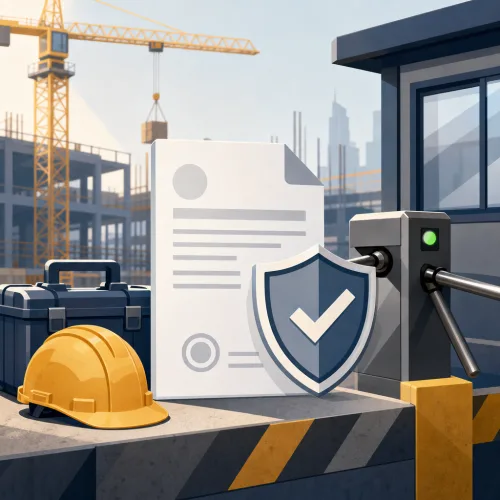
Certificates of Currency for Liability Insurance: What Australian Contractors Should Know
A certificate of currency is commonly requested by clients, principals, site managers and tender panels as proof that a contractor's liability insurance is current. Here's what it usually shows, what it does not prove, and what Australian contractors should check before submitting one. - read more

5 Tips for Reducing Your Liability Insurance Premiums in Australia
Liability insurance is a crucial form of protection that offers coverage against claims resulting from injuries and damage to people or property. Within the bustling landscape of Australian businesses, possessing this form of insurance is key to financial security and continuity. It acts as a safety net, ensuring businesses can manage risks without bearing the full brunt of potentially costly legal claims. - read more

Is Your Business Fully Protected? Top Signs It’s Time to Renew Your Liability Insurance
As a business owner, one of your top priorities is safeguarding your enterprise from unforeseen events that could lead to financial liabilities. Liability insurance is the cornerstone of this protection, offering a safety net against claims that could otherwise derail your business's financial stability. However, it's not just about having insurance; it's crucial to ensure your coverage is current and adequate for your evolving business requirements. - read more

No comments yet. Be the first to share your thoughts.