


Liability Insurance Australia :: News
SHARE

Share this news item!

Why rising builder failures matter for contract works cover

Financial pressure across construction is sharpening the need for tighter project protection

Why rising builder failures matter for contract works cover?w=400

The information on this website is general in nature and does not take into account your objectives, financial situation, or needs. Consider seeking personal advice from a licensed adviser before acting on any information.

Australia's construction sector remains under pressure, with recent insolvency figures continuing to show building and construction as one of the most exposed parts of the economy.
Higher material costs, tight margins, labour shortages, delayed payments and fixed-price contract stress have all contributed to a tougher operating environment for builders, subcontractors and project owners.

For businesses working on residential, commercial or civil projects, the figures are more than an accounting story. When a contractor collapses mid-project, the practical consequences can move quickly: partially completed works may be left exposed, materials can sit unsecured, subcontractors may dispute site access, and project timelines can stretch. These disruptions can create confusion about who is responsible for damage, theft, deterioration or rectification while the job is in limbo.

That is where contract works insurance deserves close attention. The cover is designed to respond to insured physical loss or damage to the works during the construction period, but it is not a blanket solution for every financial problem caused by insolvency. Lost profit, contractual penalties, poor workmanship, non-payment and delay costs are typically treated very differently from sudden insured damage to the project itself.

The current environment makes policy structure especially important. Builders and principals should understand whether cover is arranged by the principal, head contractor or subcontractor, how existing structures are treated, what happens to materials stored off-site or in transit, and whether policy dates align with actual project milestones. It is also important to establish realistic sums insured, including variations, professional fees, demolition, debris removal and escalation in replacement costs.

Practical steps for contractors include:

  • checking that each project has clear insurance responsibility written into the contract;
  • reviewing limits before work starts, not after a variation or cost increase;
  • keeping records of materials, progress claims and site condition;
  • notifying insurers promptly if a project is suspended, abandoned or materially changed;
  • confirming public liability arrangements where multiple parties share a site.

The insolvency trend is also a reminder that insurance should sit alongside sound contract administration and cash-flow discipline. Where projects involve high values, complex staging or several subcontractors, professional assistance can help identify gaps between contractual obligations and the cover actually in place. In a market where one failed party can affect many others, clarity before a loss occurs is often the difference between a manageable claim and a costly dispute.

Published:Thursday, 17th Sep 2026
Author: Paige Estritori

Please Note: We do not endorse any specific products or companies. Some content is sourced from third parties, including press releases, and may not be independently verified for accuracy or completeness.

Share this news item:

Rate this article

0 Comments

No comments yet. Be the first to share your thoughts.

Insurance News

Why rising builder failures matter for contract works cover
17 Sep 2026: Paige Estritori
Australia's construction sector remains under pressure, with recent insolvency figures continuing to show building and construction as one of the most exposed parts of the economy. Higher material costs, tight margins, labour shortages, delayed payments and fixed-price contract stress have all contributed to a tougher operating environment for builders, subcontractors and project owners. - read more
How Softer Truck Sales Can Affect Insurance Decisions
17 Sep 2026: Paige Estritori
Recent transport industry sales updates point to a more selective new-truck market, with operators weighing replacement timing against finance costs, emissions planning, availability and contract confidence. For truck businesses, that matters well beyond the showroom. A change in buying momentum can flow through to vehicle values, repair economics, insurer appetite and the way fleets should set insurance sums before renewal. - read more
Cyber Scam Alerts: What Trade Businesses Should Check Now
17 Sep 2026: Paige Estritori
Fresh small business cyber warnings are a practical reminder that digital risk is no longer just a concern for large companies with complex IT systems. For Australian tradespeople, the most damaging cyber incident may be far simpler: a fake invoice, altered bank details, a compromised email account or a scam message that looks like it came from a supplier, builder, real estate agent or client. - read more
Why Super Service Standards Matter for Your Income Protection
17 Sep 2026: Paige Estritori
ASIC’s continuing focus on superannuation member services has put another practical issue in front of Australian workers: insurance inside super is not just about whether cover exists, but whether members can understand and use it when they need help. Recent regulatory attention on trustee administration, communication and claims support is a timely reminder for anyone relying on salary continuance or income protection benefits through their fund. - read more
Compliance Warnings Put Key Person Cover Quality Back in Focus
16 Sep 2026: Paige Estritori
Australia's life insurance sector has received another reminder that compliance quality is not an abstract issue. The latest Life Insurance Code compliance reporting points to persistent weaknesses in how insurers communicate with customers, manage claims milestones and maintain controls when service pressure rises. - read more


Business Insurance Articles

Understanding the Role of Public Liability Insurance in Business Disaster Planning
For Australian business owners, planning for unforeseen disasters is not just prudent; it's an essential aspect of sustaining operations amidst challenges. Recognizing the importance of comprehensive strategies, including robust insurance cover, can make all the difference in business longevity and legal protection. As we navigate the complexities of running a business, it's imperative to have a safeguard against mishaps that could otherwise jeopardize our hard-earned success. - read more
Certificates of Currency for Liability Insurance: What Australian Contractors Should Know
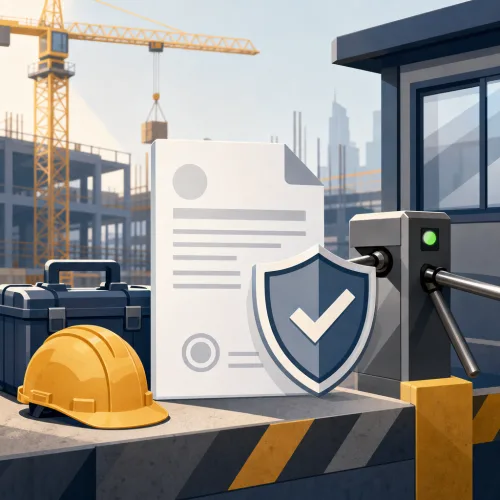
A certificate of currency is commonly requested by clients, principals, site managers and tender panels as proof that a contractor's liability insurance is current. Here's what it usually shows, what it does not prove, and what Australian contractors should check before submitting one. - read more
Key Benefits of Comparing Public Liability Insurance Rates for Australian Businesses
As an Australian business owner, you face numerous financial risks daily. Accidents can happen at any time, whether it's a slip and fall on your premises or damage caused by your products or services. These incidents can lead to costly legal actions that may put significant strain on your business finances. - read more
Public Liability Insurance for Events in Australia: What Organisers Should Consider
Public liability insurance can help protect event organisers from the financial impact of third-party injury or property damage claims. In Australia, venues and councils may ask for proof of cover before an event can proceed, so it is important to understand how this insurance works and what to consider when arranging it. - read more
Q&A: Common Questions Australian Business Owners Have About Public Liability Insurance
Public liability insurance is a crucial aspect of managing risk for businesses in Australia. This type of insurance covers costs associated with claims made against a business for property damage or personal injury caused during business operations. - read more


Start Here !

Start here!

Cover Amount:
Postcode:
All quotes are provided obligation-free by a participating broker from our national referral partner network. We respect your Privacy.

Knowledgebase
Flood Insurance:
A specific type of property insurance that covers losses and damage caused by flooding.