

Liability Insurance Australia :: News
SHARE

Share this news item!

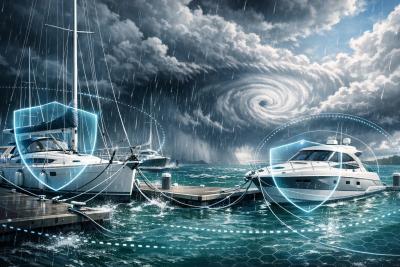
Cyclone Narelle Highlights Marine Insurance Challenges in Northern Australia

Navigating the Impact of Severe Weather on Marine Hull Coverage

Cyclone Narelle Highlights Marine Insurance Challenges in Northern Australia?w=400

The information on this website is general in nature and does not take into account your objectives, financial situation, or needs. Consider seeking personal advice from a licensed adviser before acting on any information.

Severe Tropical Cyclone Narelle, which struck Northern Australia in March 2026, has brought to the forefront the escalating challenges in securing marine hull insurance in regions like Northern Queensland and Western Australia.
The cyclone's path, impacting both the Northern Territory and the northwest of Western Australia, exemplifies the increasing volatility of weather patterns and their profound implications for the marine insurance sector.

Industry experts have noted that the frequency and severity of such weather events are making it increasingly difficult to obtain hull coverage for vessels operating in these high-risk areas. The volatility of weather over this side of the country, with ongoing storms which have been costly, has been a significant concern. This sentiment reflects a broader trend where insurers are becoming more cautious, leading to tighter capacity and higher premiums for marine hull insurance in cyclone-prone regions.

Data from global insurance brokers indicate a notable rise in weather-related claims, with extreme weather being a factor in several vessel losses globally in recent years. This trend underscores the pressing need for the marine insurance industry to adapt to the realities of climate change and its impact on weather patterns.

For boat owners and operators in Northern Australia, this evolving landscape necessitates proactive engagement with insurance brokers to explore available coverage options. It also highlights the importance of implementing robust risk mitigation strategies, such as securing vessels during cyclone seasons and adhering to stringent maintenance protocols, to enhance insurability and manage potential premium increases.

In conclusion, Cyclone Narelle serves as a stark reminder of the challenges posed by severe weather events to the marine insurance industry. Stakeholders must collaborate to develop innovative solutions that address these challenges, ensuring that marine operations in Northern Australia remain viable and adequately protected against the increasing risks associated with climate change.

Published:Monday, 11th May 2026
Author: Paige Estritori

Please Note: We do not endorse any specific products or companies. Some content is sourced from third parties, including press releases, and may not be independently verified for accuracy or completeness.

Share this news item:

Insurance News

HESTA Announces Reduction in Insurance Fees to Benefit Members
11 May 2026: Paige Estritori
HESTA, a prominent Australian superannuation fund, has unveiled a significant reduction in insurance fees, set to take effect from 1 July 2026. This initiative aims to make insurance coverage more accessible and affordable for its members, aligning with the fund's commitment to enhancing member benefits. - read more
Hostplus and MetLife Australia Extend Partnership to Enhance Member Insurance Benefits
11 May 2026: Paige Estritori
Hostplus, a leading Australian superannuation fund, has announced the extension of its group insurance partnership with MetLife Australia until June 2028. This strategic move aims to elevate the servicing models across claims and underwriting, ultimately delivering stronger outcomes for Hostplus members. - read more
Marine Insurers Maintain Support Amid Middle East Conflicts
11 May 2026: Paige Estritori
The International Union of Marine Insurance (IUMI) has recently highlighted the resilience of marine insurers in the face of escalating conflicts in the Middle East. Despite the challenging geopolitical landscape, insurers continue to provide essential coverage for cargo, hull, liability, and offshore energy sectors, ensuring that global trade flows remain protected. - read more
Cyclone Narelle Highlights Marine Insurance Challenges in Northern Australia
11 May 2026: Paige Estritori
Severe Tropical Cyclone Narelle, which struck Northern Australia in March 2026, has brought to the forefront the escalating challenges in securing marine hull insurance in regions like Northern Queensland and Western Australia. The cyclone's path, impacting both the Northern Territory and the northwest of Western Australia, exemplifies the increasing volatility of weather patterns and their profound implications for the marine insurance sector. - read more
Rising Wreck Removal Costs Challenge Marine Insurance Industry
11 May 2026: Paige Estritori
The escalating costs associated with wreck removal are emerging as a significant challenge for the marine insurance industry. Recent incidents have demonstrated that expenses related to salvage operations, environmental remediation, and debris clearance can substantially exceed initial estimates, posing financial risks that may surpass traditional liability limits. - read more


Business Insurance Articles

Understanding the Key Factors Influencing Your Liability Insurance Premiums
Liability insurance is a form of coverage that protects businesses against claims resulting from injuries and damage to people or property. It provides crucial peace of mind, ensuring that your business is shielded from potentially devastating financial losses due to lawsuits or claims against it. - read more
The Importance of Public Liability Insurance in the Australian Labour Hire Industry
The Australian labour hire industry has seen a significant rise in recent years, and with this growth, comes new and unique risks that companies in this industry must be prepared to navigate. One such risk is the potential for accidents or damages to occur in the workplace, which is where public liability insurance comes in. This article will explore the definition of public liability insurance and why it is so important for labour hire companies in Australia. - read more
Common Myths About Public Liability Insurance Debunked
Today, we're diving into the world of public liability insurance, a crucial topic for anyone running a small business or working as a self-employed professional in Australia. - read more
How Public Liability Insurance Can Save Your Business During a Crisis
Public liability insurance is designed to protect your business from financial loss if you are found liable for causing injury or property damage to a third party. This type of insurance covers legal costs and any compensation claims that might arise from accidents or incidents involving your business operations. - read more
Q&A: Common Questions Australian Business Owners Have About Public Liability Insurance
Public liability insurance is a crucial aspect of managing risk for businesses in Australia. This type of insurance covers costs associated with claims made against a business for property damage or personal injury caused during business operations. - read more


Start Here !

Start here!

Cover Amount:
Postcode:
All quotes are provided obligation-free by a participating broker from our national referral partner network. We respect your Privacy.

Knowledgebase
Subrogation:
The process by which an insurance company seeks to recover the amount paid to the policyholder from a third party responsible for the loss.