
Liability Insurance Australia :: News
SHARE

Share this news item!

New Dust Limits Put Farm Safety Records in the Insurance Spotlight

State-by-state delays mean grain growers should check both compliance duties and risk documentation

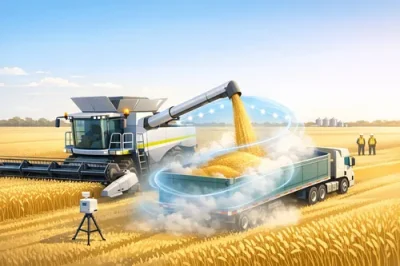
New Dust Limits Put Farm Safety Records in the Insurance Spotlight?w=400

The information on this website is general in nature and does not take into account your objectives, financial situation, or needs. Consider seeking personal advice from a licensed adviser before acting on any information.

New workplace exposure limits for airborne contaminants are moving from a regulatory issue to a practical farm risk-management concern, particularly for grain growers heading through harvest.
With the national transition scheduled for 1 December 2026, recent state decisions to delay or stage some limits have created a patchwork of obligations that farm businesses should watch closely.

Safe Work Australia’s framework replaces workplace exposure standards with workplace exposure limits for substances that may be present in farm work, including grain dust, phosphine, diesel particulate matter, chemical vapours, welding fumes, mould and smoke. The core duty remains familiar: farm operators must eliminate or minimise risks so far as reasonably practicable and ensure workers are not exposed above the applicable limit. What is changing is the detail of some limits, and for many growers the practical question is how exposure can be measured and documented on a working farm.

The issue has sharpened because implementation is no longer uniform in every respect. SafeWork NSW announced on 28 October 2026 that the new phosphine exposure limit would be delayed until 1 July 2028, with a staged approach for diesel particulate matter. WorkSafe WA has said updated limits will apply from 1 December 2026, while the phosphine limit has been extended to 1 December 2029. Victoria has also provided a three-year transition for 15 substances, including grain dust, phosphine and diesel particulate matter.

Industry concern is strongest around grain dust. Grain Producers Australia has reported high levels of grower uncertainty about measuring and managing the lower grain dust limit, while South East Premium Wheat Growers Association has called for Western Australia to delay the grain dust change until clearer guidance is available. That does not remove the health concern: dust exposure can be a serious long-term worker safety issue, and regulators are clearly focused on prevention rather than waiting for occupational disease claims to emerge years later.

For farm insurance, the point is not that a policy will necessarily pay for compliance work. Safety obligations, penalties and routine risk-control costs are usually separate from the purpose of insurance. The relevance is broader: poor records, unclear contractor arrangements or weak controls can complicate liability questions, workers compensation matters and claims evidence after an incident.

Farm businesses may wish to consider, in general terms:

  • checking which limits and transition dates apply in their state or territory;
  • mapping dusty or enclosed tasks, including loading, augering, cleaning, chemical handling and workshop jobs;
  • recording practical controls such as enclosed cabins, ventilation, maintenance, housekeeping, training and respiratory protection;
  • clarifying responsibilities where contractors, seasonal workers or family labour are involved;
  • keeping evidence of risk assessments, monitoring advice and worker consultation.

The coming months are likely to bring further guidance and lobbying. Until then, the safest reading for farm operators is that airborne contaminant management is becoming a more visible part of farm risk governance, and insurance reviews should sit alongside, not replace, sound workplace safety planning.

Published:Wednesday, 4th Nov 2026
Author: Paige Estritori

Please Note: We do not endorse any specific products or companies. Some content is sourced from third parties, including press releases, and may not be independently verified for accuracy or completeness.

Share this news item:

Rate this article

0 Comments

No comments yet. Be the first to share your thoughts.

Insurance News

Isuzu Recall Puts Software Risk on the Insurance Radar
05 Nov 2026: Paige Estritori
A fresh Australian Government vehicle recall for selected Isuzu MY25 trucks is a timely reminder that modern heavy vehicle risk is no longer limited to tyres, brakes, steering, driver behaviour or road conditions. Software faults can also create safety exposures that matter for fleet operations, incident investigations and insurance conversations. - read more
Delayed Insurance Inquiry Keeps Tradie Cover Issues on the Table
05 Nov 2026: Paige Estritori
A federal parliamentary inquiry into small business insurance has pushed its reporting timetable into early 2027, extending the wait for recommendations that may shape future debate on affordability, availability and regulation. For Australian tradespeople, the delay matters because the inquiry is examining the commercial insurance lines many small operators rely on daily, including public liability, professional indemnity, cyber risk and business interruption cover. - read more
Why Claims Communication Is Back in the Spotlight
05 Nov 2026: Paige Estritori
A new Life Code Compliance Committee inquiry has put fresh attention on the way life insurers manage longer-running income protection insurance and total and permanent disability claims, finding that clearer communication and earlier information requests could reduce avoidable stress for people waiting on claim decisions. - read more
New Isuzu Truck Recall Highlights a Claims Evidence Issue
05 Nov 2026: Paige Estritori
A fresh safety recall affecting 3,710 Isuzu MY25 trucks is a timely reminder that modern truck insurance risk is not only about driver behaviour, road conditions or workshop servicing. Software, trailer systems and electronic braking signals can all become part of the evidence trail if an incident occurs. - read more
Mental Health Cover Debate Now Matters for Business Protection
05 Nov 2026: Paige Estritori
Australia’s life insurance sector is moving into a detailed debate over how mental health conditions should be treated in disability-style cover, and the outcome could matter for business owners who rely on insurance to protect income, debt and operational continuity. - read more


Business Insurance Articles

Key Benefits of Comparing Public Liability Insurance Rates for Australian Businesses
As an Australian business owner, you face numerous financial risks daily. Accidents can happen at any time, whether it's a slip and fall on your premises or damage caused by your products or services. These incidents can lead to costly legal actions that may put significant strain on your business finances. - read more
Proven Strategies for Slashing Your Business Liability Insurance Costs
Welcome to our comprehensive guide on public liability insurance, an essential safeguard for businesses across Australia. Navigating the complexities of liability insurance can be a daunting task for many business owners, but it’s a critical component of your business protection plan. If incidents such as accidents or property damage occur, liability insurance is the barrier that stands between your business and financial calamity. - read more
Decoding Public Liability Insurance: Is It a Must-Have for Your Australian Startup?
Public liability insurance is an integral safety net designed to protect businesses from the financial risks associated with lawsuits or claims. It provides coverage when a business is found legally responsible for personal injury to a third party or damage to their property. This form of insurance can significantly reduce the burden of legal fees, compensation claims, and other associated costs that may arise from unforeseen incidents. - read more
Understanding The Costs: How Much Does Public Liability Insurance Typically Cost?
Public liability insurance is a crucial form of protection for both businesses and individuals, safeguarding them against potential claims for personal injury or property damage that occur as a result of their operations or services. In an increasingly litigious society, having this coverage can mean the difference between staying afloat financially and facing business closure due to unexpected claims. - read more
Understanding the Role of Public Liability Insurance in Business Disaster Planning
For Australian business owners, planning for unforeseen disasters is not just prudent; it's an essential aspect of sustaining operations amidst challenges. Recognizing the importance of comprehensive strategies, including robust insurance cover, can make all the difference in business longevity and legal protection. As we navigate the complexities of running a business, it's imperative to have a safeguard against mishaps that could otherwise jeopardize our hard-earned success. - read more


Start Here !

Start here!

Cover Amount:
Postcode:
All quotes are provided obligation-free by a participating broker from our national referral partner network. We respect your Privacy.

Knowledgebase
Underwriting:
The process by which an insurer determines the risk of insuring a client and decides the terms of coverage.