


Liability Insurance Australia :: News
SHARE

Share this news item!

Dry Conditions Put Feed, Livestock and Insurance Planning Back in Focus

Why seasonal pressure should trigger a practical review of cover, records and contingency plans

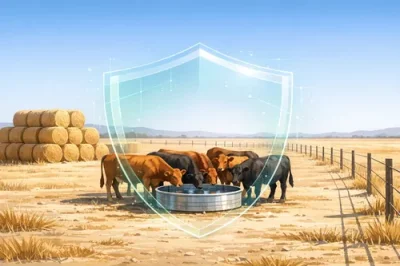
Dry Conditions Put Feed, Livestock and Insurance Planning Back in Focus?w=400

The information on this website is general in nature and does not take into account your objectives, financial situation, or needs. Consider seeking personal advice from a licensed adviser before acting on any information.

Recent rural reporting has again highlighted the strain dry seasonal conditions can place on livestock producers, particularly where pasture growth is limited, supplementary feed is expensive and water security is becoming a daily management issue.
For many Australian farm businesses, the immediate concern is practical: keeping stock in condition, deciding whether to buy feed, move animals, agist, or sell earlier than planned.

From an insurance perspective, the key lesson is that drought pressure rarely sits in one neat category. It can affect livestock values, fencing and water infrastructure, stored fodder, machinery use, transport decisions, public liability exposures and business cash flow. A dry paddock may start as a production issue, but it can quickly become a whole-farm risk issue if decisions are made under time pressure.

Farmers should be careful not to assume that all drought-related losses are automatically covered. Many policies treat gradual deterioration, lack of feed, poor seasonal growth and ordinary business losses differently from sudden insured events such as fire, storm, theft, accidental damage or specified livestock incidents. That distinction matters. A policy may respond to some events connected with a dry season, while still excluding the broader financial impact of drought itself.

This is why policy wording, livestock schedules and asset values deserve a fresh look before conditions deteriorate further. If stock numbers have changed, if breeders have been retained at higher values, or if feed and hay are being stored in larger volumes than usual, the sums insured may no longer match the real exposure. Producers may also need to consider whether temporary agistment, contract cartage or off-farm storage creates different obligations under their policy.

Good records are also important. Livestock counts, purchase and sale records, fodder inventories, photos of stored hay, machinery maintenance notes and water infrastructure invoices can all help if an insured incident occurs during a difficult season. They also make it easier to assess whether current insurance cover levels are still realistic.

For livestock operations, the current conditions are a reminder to review how livestock insurance fits alongside broader risk controls. Insurance is not a substitute for seasonal planning, but it can form part of a stronger financial safety net when it is matched to the farm’s actual activities, stock movements and asset values.

The most useful step is to review cover before decisions become urgent. Dry seasons reward early planning, clear documentation and a realistic understanding of what a policy can and cannot do.

Published:Tuesday, 25th Aug 2026
Author: Paige Estritori

Please Note: We do not endorse any specific products or companies. Some content is sourced from third parties, including press releases, and may not be independently verified for accuracy or completeness.

Share this news item:

Rate this article

0 Comments

No comments yet. Be the first to share your thoughts.

Insurance News

Why load restraint is an insurance issue for truck operators
27 Aug 2026: Paige Estritori
Recent transport industry reporting has again drawn attention to load restraint, with regulators and enforcement agencies continuing to highlight the risks created by poorly secured freight. For Australian truck operators, the issue is broader than avoiding roadside penalties. A load that moves, spills or falls can quickly become a vehicle damage, cargo, public liability, injury and business interruption problem. - read more
What Builder Collapses Mean for Tradies on the Job
27 Aug 2026: Paige Estritori
Australia's construction sector continues to face pressure, with recent business reporting again pointing to elevated insolvency risk among builders and related operators. For tradespeople, that is not just a headline about another company's balance sheet. A builder collapse can quickly become a practical problem for subcontractors who have materials on site, tools locked in a compound, unpaid invoices, unfinished work and unclear responsibility for damaged or abandoned projects. - read more
New claims data sharpens focus on income protection details
27 Aug 2026: Paige Estritori
APRA's latest life insurance claims and disputes statistics have again put the practical side of personal cover in front of Australian workers. While headline numbers often focus on the overall performance of life insurers, the data is especially relevant for anyone relying on income protection insurance or salary continuance cover to keep household cash flow steady after illness or injury. - read more
Why defect checks matter for truck insurance
27 Aug 2026: Paige Estritori
Recent heavy vehicle industry reporting has again highlighted roadside compliance activity, with enforcement attention on mechanical condition, fatigue records, load restraint and day-to-day maintenance evidence. For truck operators, the message is broader than avoiding an infringement. A defect notice, preventable breakdown or poorly documented maintenance program can also shape how an insurer views risk when cover is renewed or when a claim is assessed. - read more
Insurance Tax Debate Puts Farm Premiums Back in Focus
26 Aug 2026: Paige Estritori
Renewed industry pressure to reduce insurance taxes has put affordability back in the spotlight for rural and regional Australia. The latest debate centres on the extra costs added to insurance through state-based duties, levies and other charges, which can make already expensive cover harder to maintain for households and businesses exposed to flood, bushfire, storm and cyclone risk. - read more


Business Insurance Articles

Types of Liability Insurance in Australia: Public Liability, Professional Indemnity and Product Liability Explained
Liability insurance can cover different business risks depending on whether a claim involves third-party injury, property damage, professional advice or products supplied. This guide explains the main types of liability insurance in Australia and how they differ. - read more
 Why Every Business Needs Public Liability Insurance
 Why Every Business Needs Public Liability Insurance
Welcome to our comprehensive guide on public liability insurance. If you run a business, you've probably heard this term thrown around quite often. But what exactly is public liability insurance? - read more
Public Liability Insurance Claims: What to Expect and How to Prepare
Public liability insurance is a type of insurance policy that provides coverage for businesses and individuals against claims made by third parties for injuries or damages sustained while on their property or as a result of their activities. - read more
Decoding Public Liability Insurance: Is It a Must-Have for Your Australian Startup?
Public liability insurance is an integral safety net designed to protect businesses from the financial risks associated with lawsuits or claims. It provides coverage when a business is found legally responsible for personal injury to a third party or damage to their property. This form of insurance can significantly reduce the burden of legal fees, compensation claims, and other associated costs that may arise from unforeseen incidents. - read more
Q&A: Common Questions Australian Business Owners Have About Public Liability Insurance
Public liability insurance is a crucial aspect of managing risk for businesses in Australia. This type of insurance covers costs associated with claims made against a business for property damage or personal injury caused during business operations. - read more


Start Here !

Start here!

Cover Amount:
Postcode:
All quotes are provided obligation-free by a participating broker from our national referral partner network. We respect your Privacy.

Knowledgebase
Income Insurance:
Insures your income in the event of you being unable to work due to sickness or accident.