

Liability Insurance Australia :: News
SHARE

Share this news item!

Why Load Restraint Compliance Now Matters for Truck Insurance

Poorly secured freight can turn a roadside issue into a claims, liability and downtime problem

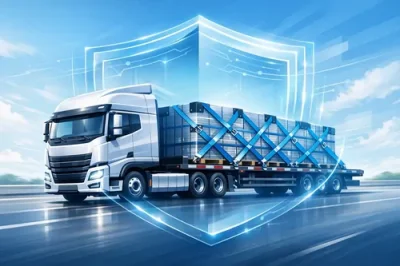
Why Load Restraint Compliance Now Matters for Truck Insurance?w=400

The information on this website is general in nature and does not take into account your objectives, financial situation, or needs. Consider seeking personal advice from a licensed adviser before acting on any information.

Renewed attention on heavy vehicle load restraint is a timely reminder that insurance risk does not begin and end with the truck itself.
For owner drivers, fleet operators and transport businesses, the way freight is secured can influence roadside compliance outcomes, liability exposure, claim investigations and even future premium negotiations.

Recent industry messaging from heavy vehicle safety authorities has again highlighted the practical risks of poorly restrained loads, loose equipment and freight movement during braking, cornering or evasive manoeuvres. While many operators already treat load restraint as a core safety task, the insurance angle is sometimes underestimated. A load that shifts, falls or contributes to a crash can raise difficult questions about maintenance procedures, driver training, supervision, subcontractor controls and whether the correct cover was in place for the work being performed.

For truck operators, the key issue is evidence. Insurers do not simply assess the damage after an incident; they may also look at how the job was planned, who loaded the freight, whether restraints were suitable, and whether the driver completed appropriate checks before departure and during the journey. If the paperwork is thin, the claim can become harder to resolve, particularly where multiple parties are involved in the loading chain.

This is also where vehicle cover and freight cover need to be clearly separated. A comprehensive truck policy may respond to insured damage to the vehicle, but that does not automatically mean the goods being carried are protected. Operators should understand whether their arrangements include cargo cover, goods in transit insurance, public liability, contractual liability extensions or downtime protection. The right mix depends on the freight type, contracts, routes, loading responsibilities and the financial impact of a disrupted delivery.

Practical steps worth reviewing now include:

  • Documenting load restraint procedures for common freight types and unusual loads.
  • Keeping records of driver training, toolbox meetings and refresher instruction.
  • Checking that straps, chains, gates, curtains and anchor points are inspected and replaced when needed.
  • Clarifying who is responsible for loading, checking and signing off freight at each site.
  • Reviewing contracts for insurance requirements, indemnities and responsibility for damaged goods.

The broader trend is clear: compliance, safety management and insurance are becoming more connected. Operators who can show disciplined systems are better placed to defend their position after an incident and present a stronger risk profile at renewal. Those relying on informal habits may find that a relatively routine load restraint issue becomes a costly dispute. If policy wording, contract obligations or responsibility between parties is unclear, timely professional advice can help identify gaps before they appear in a claim.

Published:Wednesday, 19th Aug 2026
Author: Paige Estritori

Please Note: We do not endorse any specific products or companies. Some content is sourced from third parties, including press releases, and may not be independently verified for accuracy or completeness.

Share this news item:

Rate this article

0 Comments

No comments yet. Be the first to share your thoughts.

Insurance News

Why roadworthiness checks are an insurance issue for truck operators
20 Aug 2026: Paige Estritori
Recent transport industry coverage has again highlighted regulator attention on heavy vehicle roadworthiness, with roadside checks, defect management and maintenance systems remaining central safety themes for Australian operators. For trucking businesses, the message is not limited to avoiding fines or delays. Roadworthiness can also influence how insurers view risk, how smoothly a claim progresses and whether policy conditions have been met after an incident. - read more
Silica Safety Scrutiny Raises Fresh Cover Questions for Tradies
20 Aug 2026: Paige Estritori
Australia’s engineered stone ban and continuing regulator focus on silica exposure are more than a workplace safety issue for builders, renovators, tilers, stonemasons, plumbers, electricians and demolition contractors. They also create a practical insurance checkpoint for any trade business that cuts, drills, grinds, removes or works around dust-generating materials. - read more
Rising Repair Costs Put Fresh Pressure on Truck Operators
20 Aug 2026: Paige Estritori
Fresh motor insurance commentary across the Australian market is again pointing to a practical issue truck operators know well: repairing vehicles is becoming more complex, more expensive and, in some cases, slower. For heavy vehicle businesses, this is not just a workshop problem. It can influence claim outcomes, renewal pricing, excess settings and the amount of time a truck is off the road after an incident. - read more
Why Claims Disputes Should Prompt a Farm Insurance Review
19 Aug 2026: Paige Estritori
Recent complaints data from the Australian Financial Complaints Authority has again highlighted a pressure point that matters to rural Australia: insurance claims can become difficult when expectations, policy wording and evidence do not line up. While the figures cover the wider insurance market rather than farms alone, the themes are highly relevant for agricultural businesses dealing with storm damage, fire losses, machinery failures, fencing repairs or interrupted operations. - read more
Compensation Rules Put Professional Indemnity Cover Back in Focus
19 Aug 2026: Paige Estritori
Fresh industry attention on ASIC's expectations for compensation arrangements is a timely reminder that professional indemnity insurance should not be treated as a once-a-year renewal task. For Australian professionals who provide advice, compliance support, financial services, consulting, design, technology or outsourced business services, the adequacy of cover depends on how closely the policy matches the work actually being performed. - read more


Business Insurance Articles

Reducing Your Risks: Public Liability Coverage Tips for Trade Professionals
For tradesmen and trade professionals, venturing into the world of business comes with its set of challenges and risks. Among the myriad of precautions to consider, one critical safeguard stands out for its ability to protect both the tradesperson and their clients: Public Liability Insurance. This form of coverage is not just a safety net; it is a cornerstone of a responsible business practice within the trade industry. - read more

Professional Indemnity Insurance in Australia: What It Covers and Who It Is For
Professional indemnity insurance can help protect Australian professionals, consultants and service-based businesses against claims arising from alleged mistakes, negligence or breaches of professional duty. This guide explains what it commonly covers, how it differs from public liability insurance, and which professionals often consider it. - read more
The Importance of Public Liability Insurance in the Australian Labour Hire Industry
The Australian labour hire industry has seen a significant rise in recent years, and with this growth, comes new and unique risks that companies in this industry must be prepared to navigate. One such risk is the potential for accidents or damages to occur in the workplace, which is where public liability insurance comes in. This article will explore the definition of public liability insurance and why it is so important for labour hire companies in Australia. - read more
Public Liability Insurance Claims: What to Expect and How to Prepare
Public liability insurance is a type of insurance policy that provides coverage for businesses and individuals against claims made by third parties for injuries or damages sustained while on their property or as a result of their activities. - read more
Public Liability Insurance for Events: What Organizers Need to Consider
Public liability insurance is a type of coverage designed to protect businesses and individuals from the financial fallout associated with claims for injury or damage caused to third parties. It is particularly crucial for event organizers, who are responsible for ensuring the safety and security of attendees, vendors, and participants. - read more


Start Here !

Start here!

Cover Amount:
Postcode:
All quotes are provided obligation-free by a participating broker from our national referral partner network. We respect your Privacy.

Knowledgebase
Waiting Period:
The time period that must pass after filing a claim before the insurance coverage becomes effective or benefits are paid.